
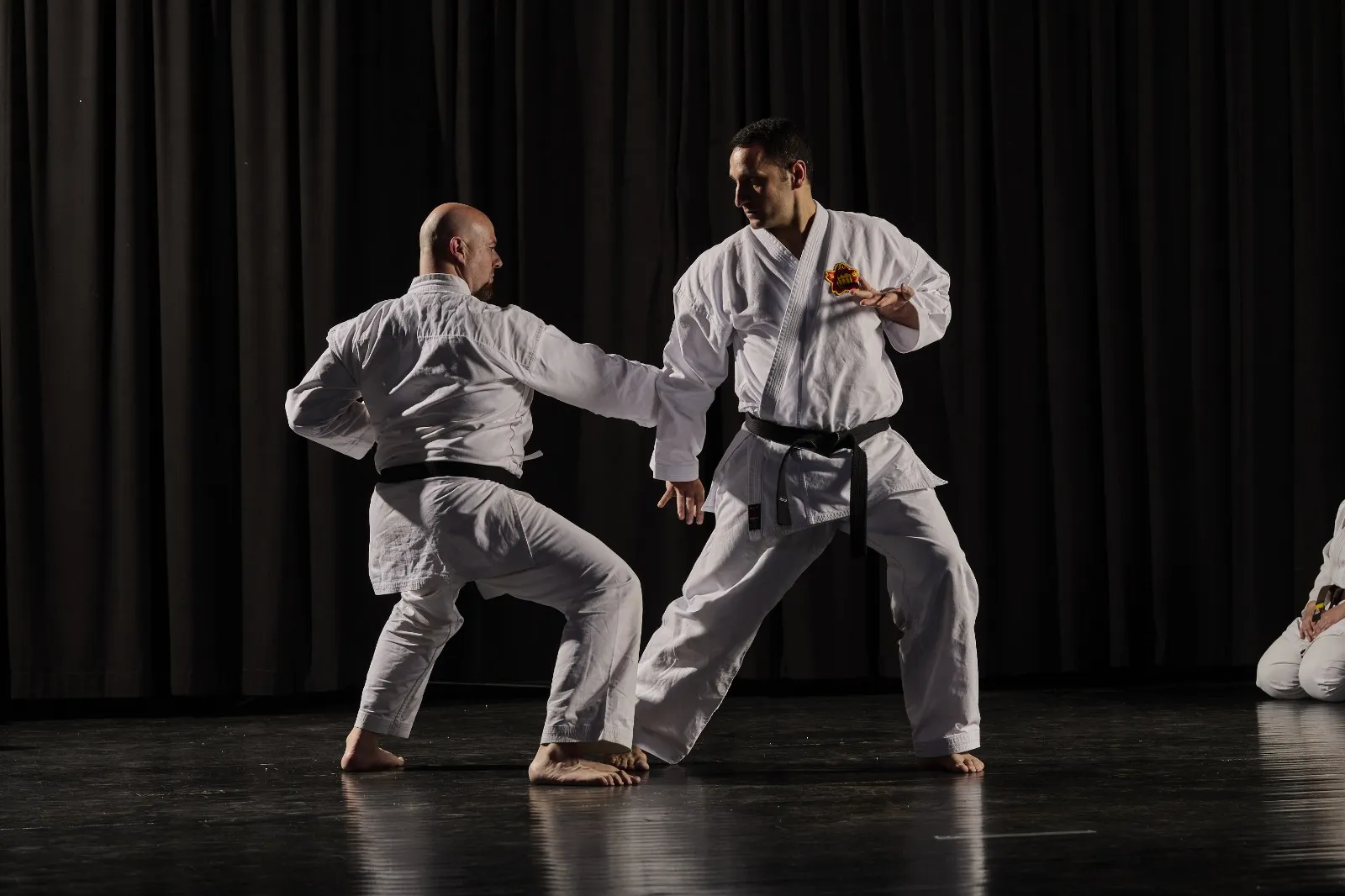
Kaisaido
Why Kaisaido and not Karate
A question worth answering honestly
When people encounter Shorei-Kan Europe for the first time, they often ask: isn't this Karate? The answer is nuanced — and worth taking seriously. This is the one page on our site where we address the word 'Karate' directly, because here it serves an explanatory purpose.
The shared roots
Yes — the physical foundation of Kaisaido traces its origins to Okinawan Goju-ryu, one of the traditional styles that came to be known in the West as 'Karate'. The kata we practice — Saifa, Seyunchin, Sanchin, Tensho — appear in various Karate traditions. This heritage is real, and we do not hide it.
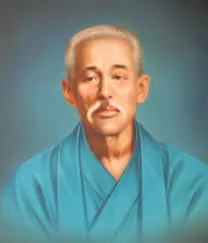
Kanryo Higaonna
1853–1915
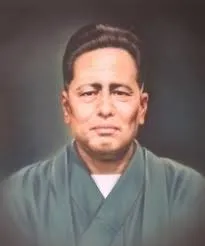
Chojun Miyagi
1888–1953
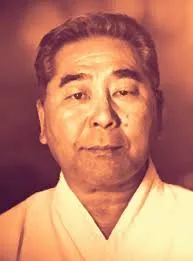
Seikichi Toguchi
1917–1998
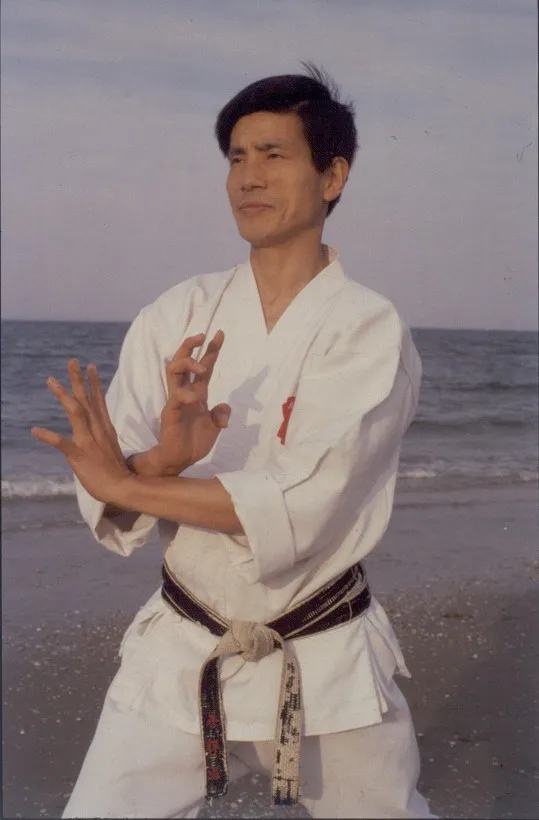
Toshio Tamano
1942–present
Why the name matters
Philosophy, not semantics
Master Tamano renamed the system Kaisaido to make explicit what was always implicit: that this is a path of understanding and health, not a fighting sport. The name carries the intent.
Identity and method
The Shorei-Kan method differs from many contemporary Karate schools in its emphasis on bunkai, its pedagogical structure, and its rejection of competition as the measure of progress.
Honesty with newcomers
Calling it 'Karate' would create confusion. Newcomers would arrive expecting sport Karate or Olympic Karate. What they find here is something richer, more demanding, more complete.
What we are, precisely
Kaisaido is the direct continuation of the Shorei-Kan Goju-ryu Okinawan tradition, carried into the present by Master Toshio Tamano. A complete Budo system: kata, bunkai, Daruma Taiso, Fukushiki Kokyu, and a clear progressive curriculum for all ages.
"The joy of practice is not a consequence of Kaisaido. It is its purpose."
— Saiko Shihan Toshio Tamano