1853
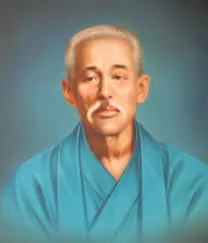
The root · Naha-te
Kanryo HigaonnaSensei
He spent more than eleven years in Fukien, southern China. Back in Naha he shaped Naha-te, the root of everything we practise.
 Shorei-Kan
Shorei-Kan Europe · Okinawan Budo since 1954
Our way — 1954
In 1954, in a small dojo in Koza, Okinawa, an unbroken line of masters began to guard an art that seeks to defeat no one. Here the kata is not repeated — it is deciphered.
Rei · 礼 · Courtesy
Everything begins with a bow. Once you cross the threshold, the outside world stays outside.

Lineage · 1853 → 2026
Each master received the art, studied it for a lifetime and handed it on, intact, to the next.
Scroll through 170 years →
The root · Naha-te
He spent more than eleven years in Fukien, southern China. Back in Naha he shaped Naha-te, the root of everything we practise.
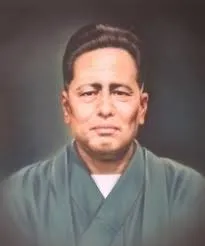
Founder of Goju-ryu
A disciple of Higaonna Sensei. In 1929 he named Goju-ryu — the hard and the soft — and set out the principles of Kaisai no Genri.
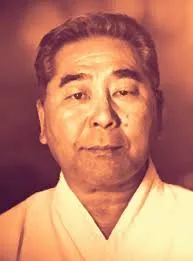
Founder of Shorei-Kan
In March 1954 he opened the first Shorei-Kan dojo in Koza. He created Kiso and Bunkai Kumite to decipher the kata.
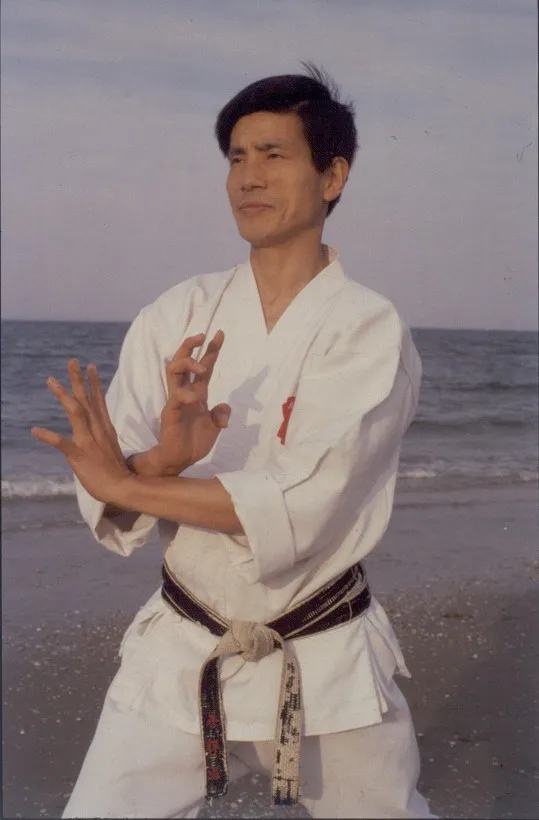
Kancho · Saiko Shihan
A student of Toguchi Sensei from 1960. He took the school to New York in 1969 and to Europe in 1982. Today he leads it as Kancho.
27 dojos · 5 countries
Instructors trained by Master Tamano keep the same path alive all over Europe.
Disciplines
Okinawa Budo Kaisai «The kata is not repeated — it is deciphered.»
The direct heir of Okinawan Goju-ryu. Kata, bunkai and kumite form a single system for understanding, not for competing.
 The farm tools of Okinawa
 «Tools of the field, turned into an art.»
Bo, sai, tonfa, nunchaku and kama: the implements of the Okinawan farmer, studied with the same rigour as the kata.
 Health and longevity
 «Movement for a long life.»
Inspired by the teachings attributed to Bodhidharma and systematised by Master Tamano in 1977: more than 300 exercises for any age.
Emblems
The fist stands for Budo. The cherry blossom, for peace and courtesy. Together: strength that knows restraint.
Hidari gomon: three turning commas, the crest of the royal house of Ryukyu. The emblem of the school’s kobudo.
Bodhidharma, the monk who, tradition says, joined meditation with the training of the body.
Instructors
Toshio Tamano
Saiko Shihan · Kancho · 10th Dan
Founder of Shorei-Kan Europe. More than sixty years on the tatami, always beside his students.
Bruno Butera

Marco Paluan
Manuel Sanchez Muñoz

Giovanni Ciavi
Andrea Papi
Dominique Poupeau

Elena Carrubba

Claudio Montanari
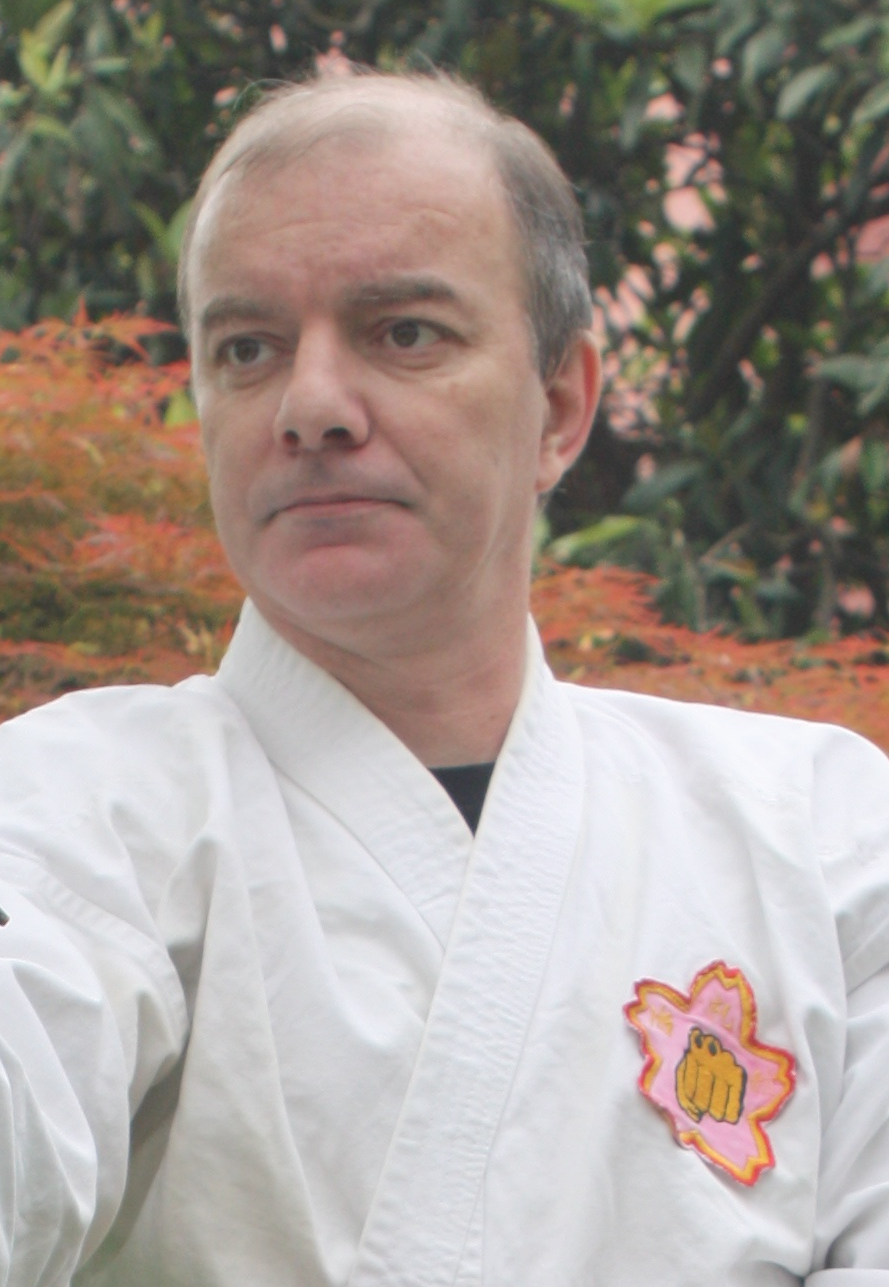
Giuliano Beillard
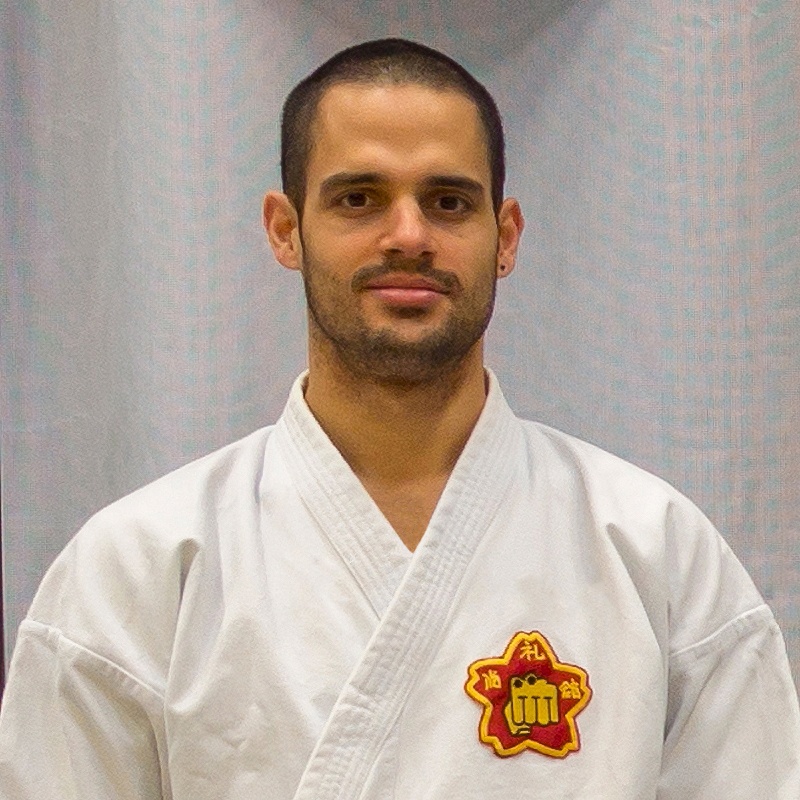
Claudio Antonio Stinchi
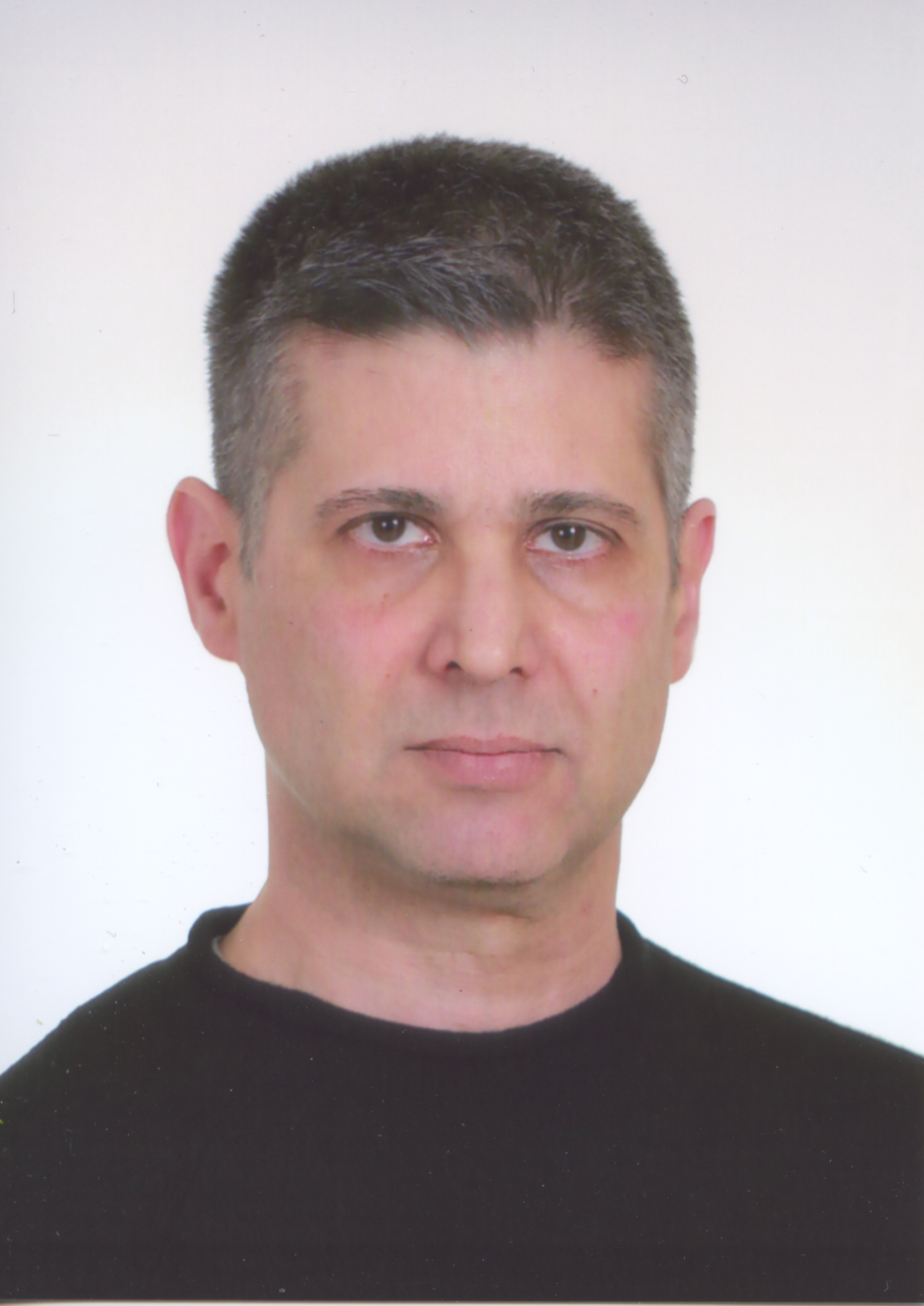
Massimo Verrecchia
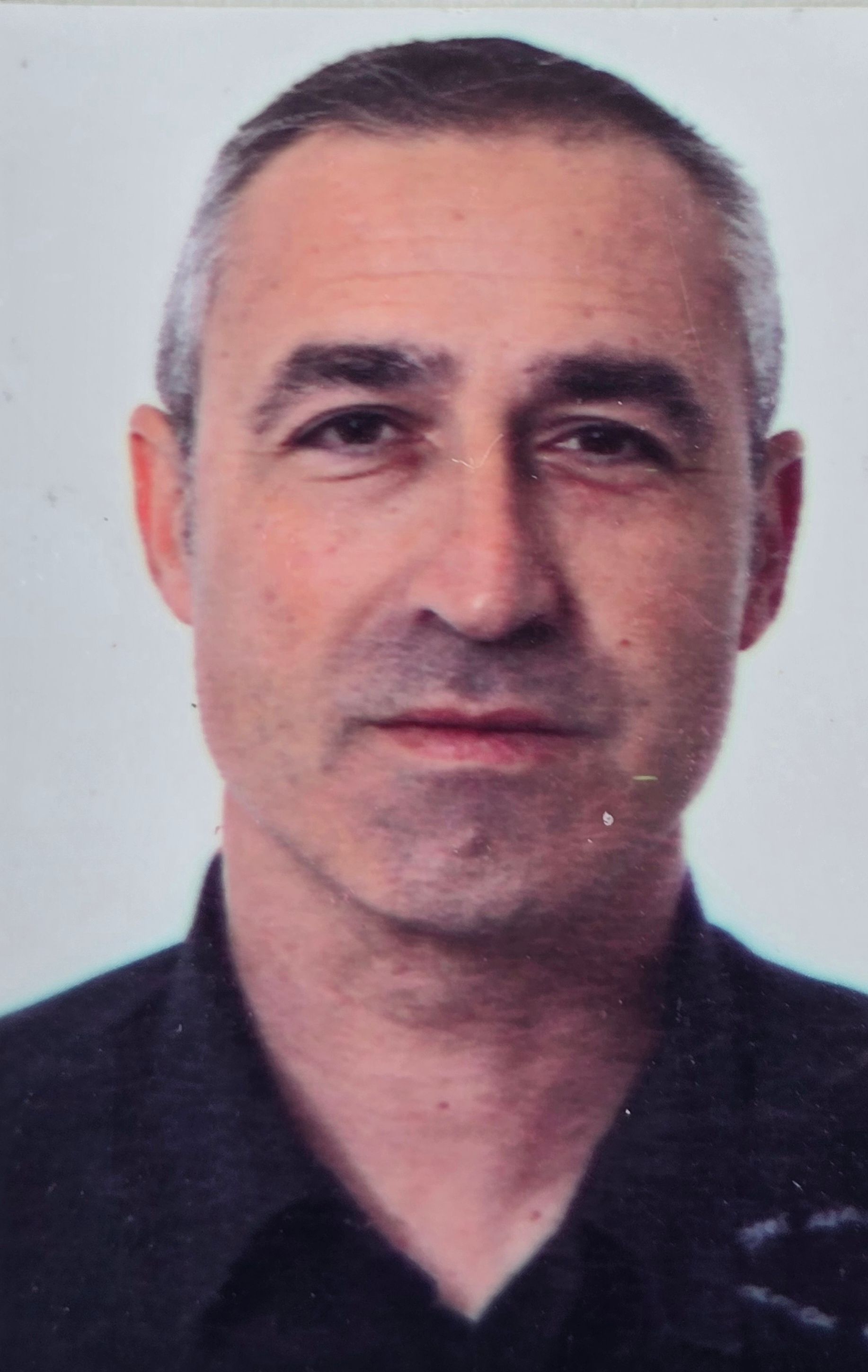
Juan Ferre Ibañez

Guillermo GARCÍA OTAZO

Philippe Mallet
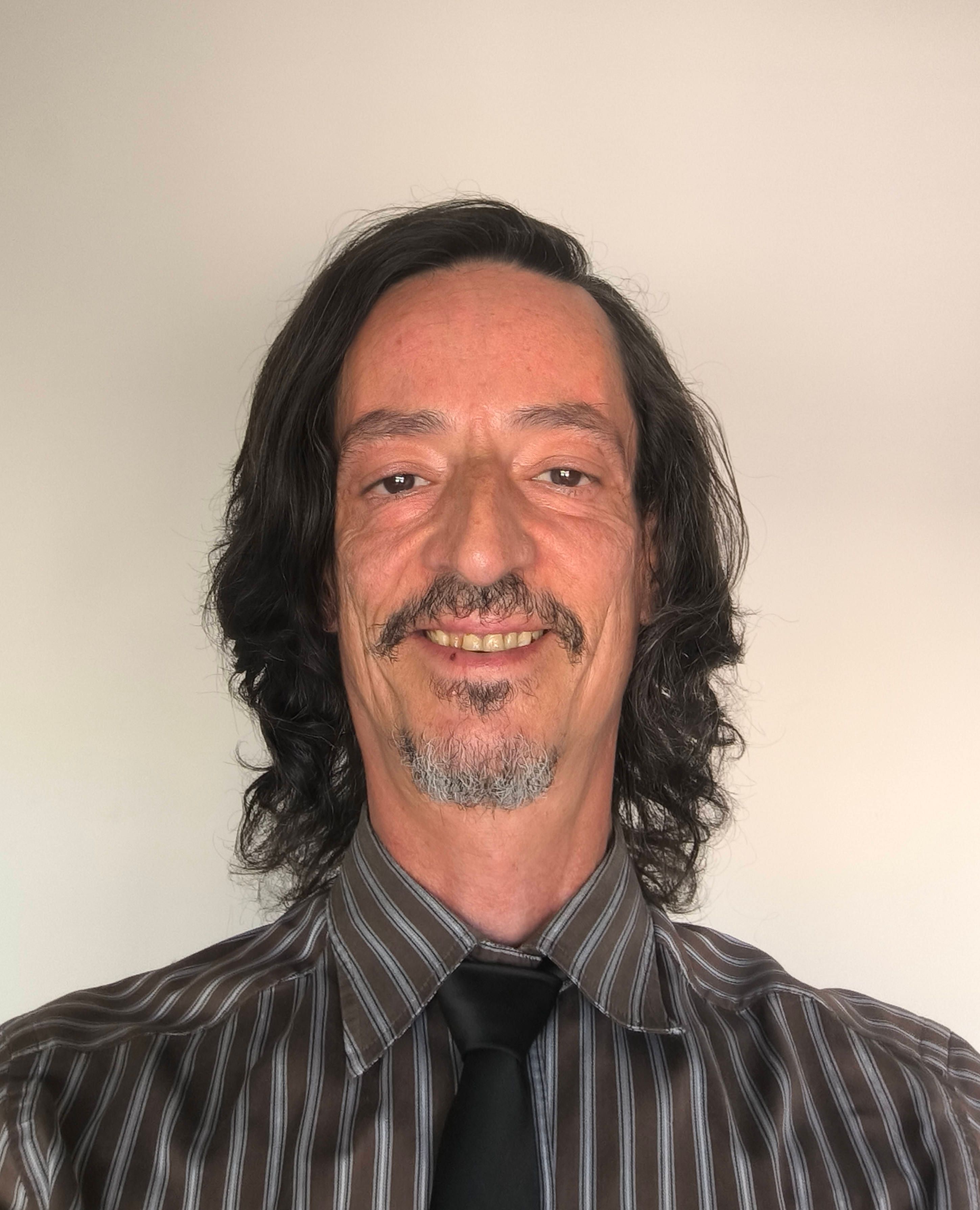
Sergi Sanmartin Puig

Sandro Coco
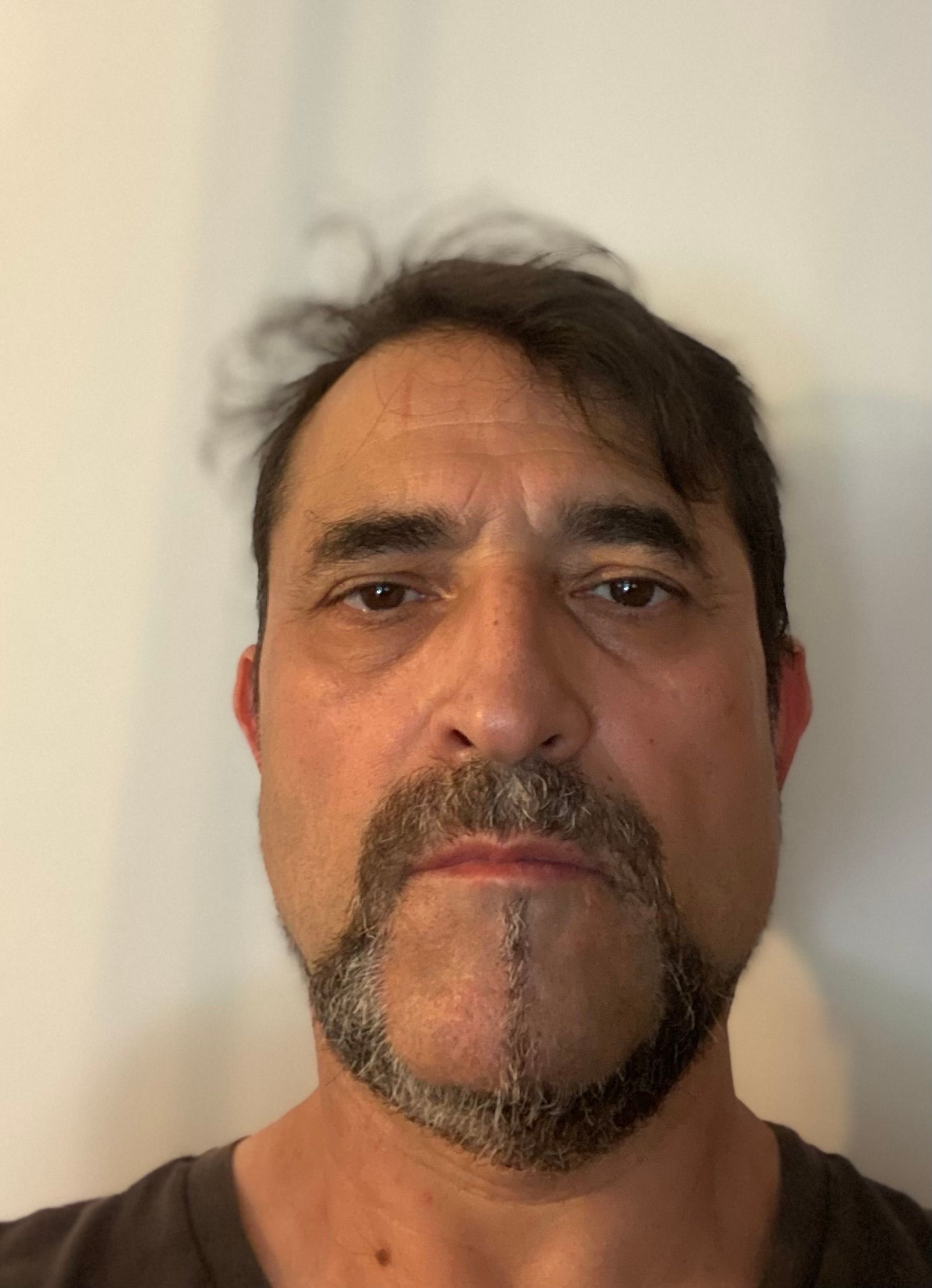
Francisco Perez Baena
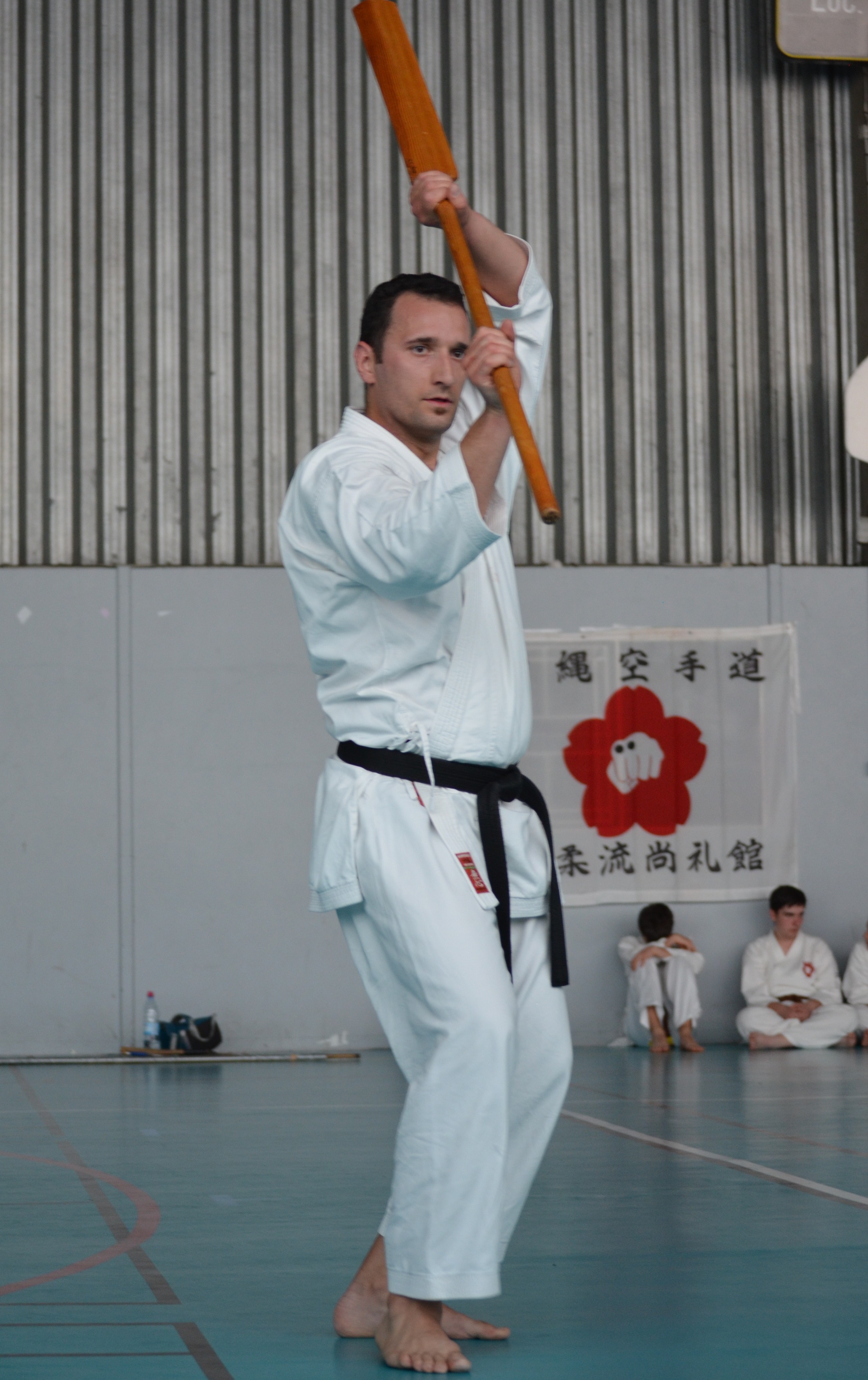
Imanol Conde
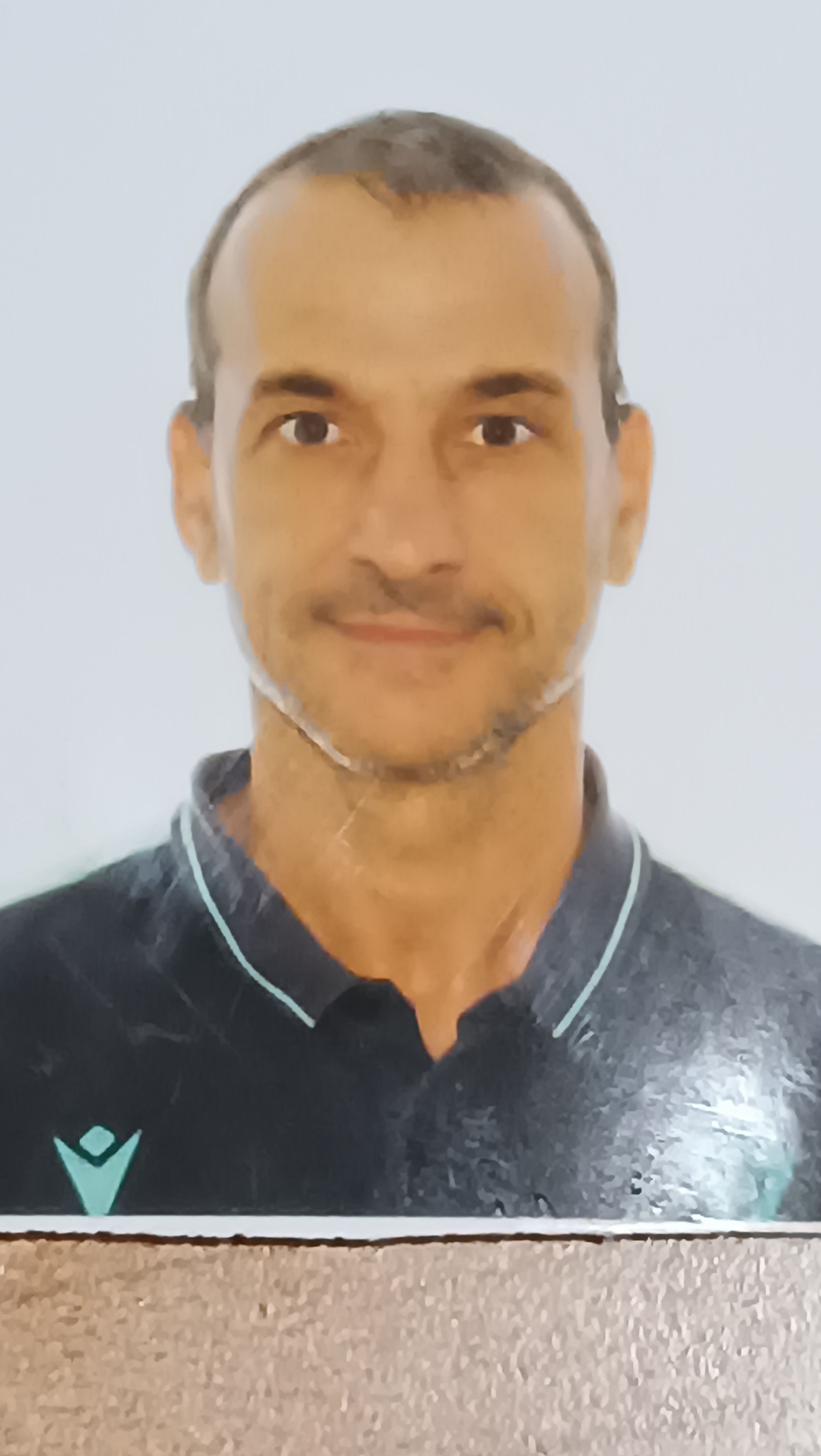
Rafael Cabrera Valenzuela
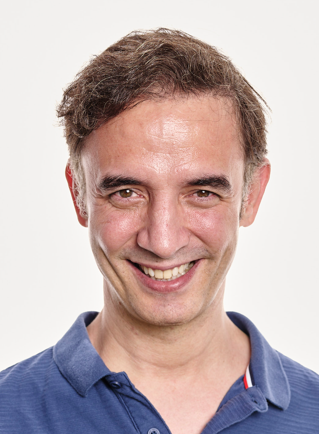
Alejandro Garriga Pereñiguez
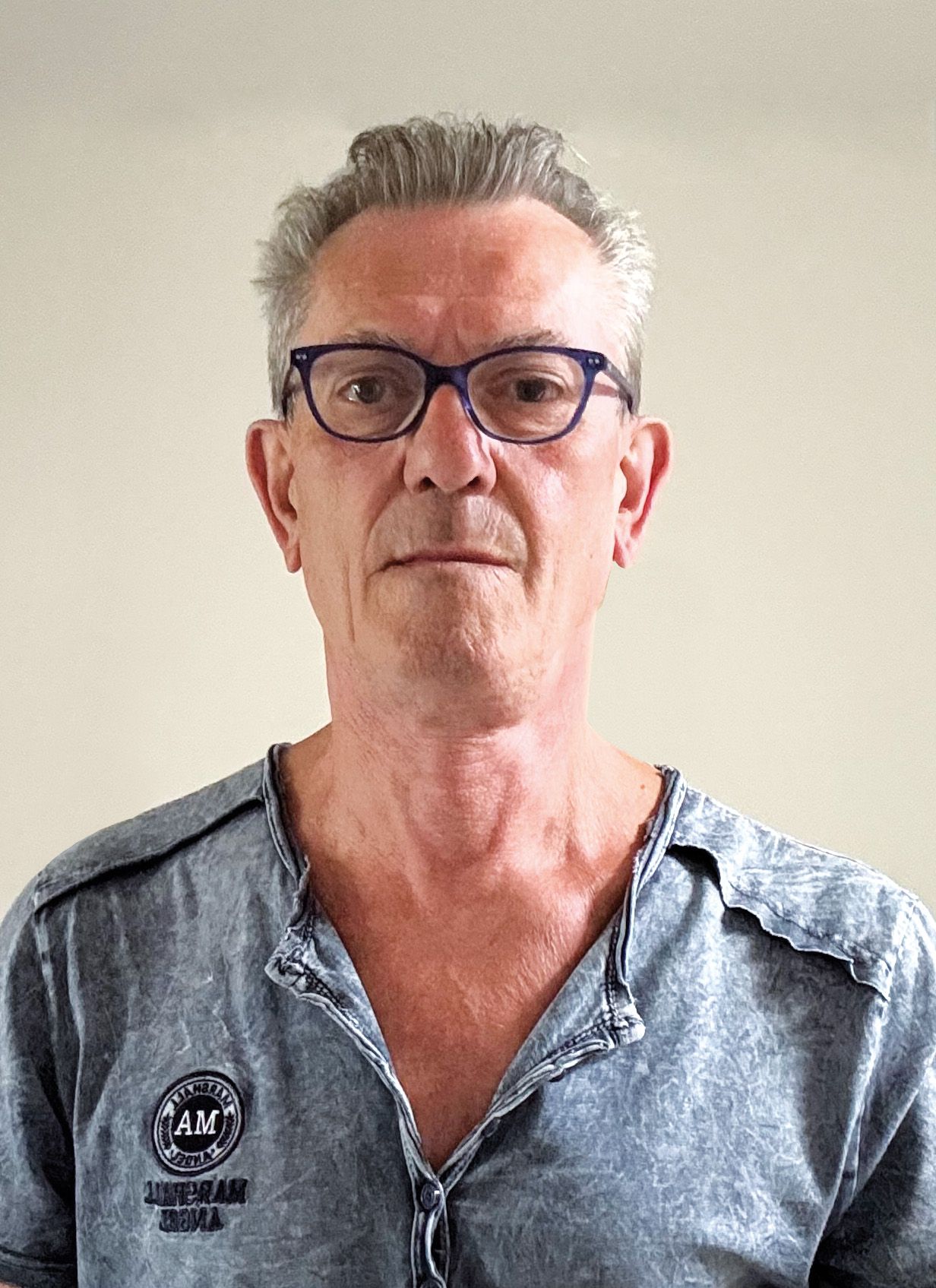
Giuseppe Brusaferri
Dojos
27 dojos in 5 countries share the same programme, the same grades and the same master.
Upcoming gatherings
Find a dojo near you or write to us. The first class is the first step on the path.